
A New Kind of Indulgence
After 2020, everything shifted. Lockdowns, uncertainty, and isolation forced a pause and luxury buyers used that time to think. The result? A soft reset in high end consumption. People didn’t ditch luxury; they redefined it.
Today’s affluent consumers are trading accumulation for emotion. It’s no longer just about the bag, the watch, the hardware. It’s about how something makes you feel and whether it leaves a lasting imprint. Post pandemic, the brag is no longer the product, but the experience that came with it: the sunrise in Namibia, the chef guided cooking class in Kyoto, the healing retreat that actually changed how you sleep.
This isn’t a fleeting trend. It’s a psychological shift. Memory making, scientists say, delivers more sustained happiness than possessions. Experiences feed identity. They’re shareable, story driven, and deeply human. In a world chasing connection, that’s what stands out.
Luxury’s new status symbol? A life well felt, not just well funded.
Shaping the Luxury Experience Economy
The new wave of luxury doesn’t sit on your wrist it drops you onto a glacier in Antarctica or books you into a silent retreat in Kyoto. Post pandemic high net worth consumers are shifting their money from material to memory. That fifth designer watch? It doesn’t stack up against the thrill of heli skiing in Patagonia or joining a once in a lifetime chef’s table experience in northern Italy.
This isn’t just about spending more. It’s about spending smarter on ultra personalized moments that feel like they were designed for no one else. Custom itineraries. Curated wellness journeys. Invites only access to remote locations. Whether it’s stargazing from a desert bubble suite or partaking in a vineyard’s harvest, the spotlight has shifted from showing off to fully showing up.
In response, luxury hospitality brands are reinventing themselves. It’s no longer enough to offer a 5 star stay you have to orchestrate a story guests want to live in and talk about. Top tier players are building immersive digital previews, recruiting experience curators, and designing deeply personalized touchpoints before and after the trip.
Want a data backed peek into why all this matters? Check out the numbers from experiential luxury trends. The takeaway is clear: those who adapt to the evolving definition of luxury are staying ahead. The ones still pushing product alone? They’re fading out of frame.
Tech, Access, and Sustainability Drive Change
Luxury used to mean hard to get. Now it means easy to enjoy. Travelers in 2024 expect frictionless, high end experiences powered by digital platforms. The rise of app based concierge services and real time booking tools isn’t just about convenience it’s reshaping the expectations of what premium access looks like. From planning a private yacht charter with two taps to adjusting a personalized spa schedule mid flight, tech is making opulence feel effortless.
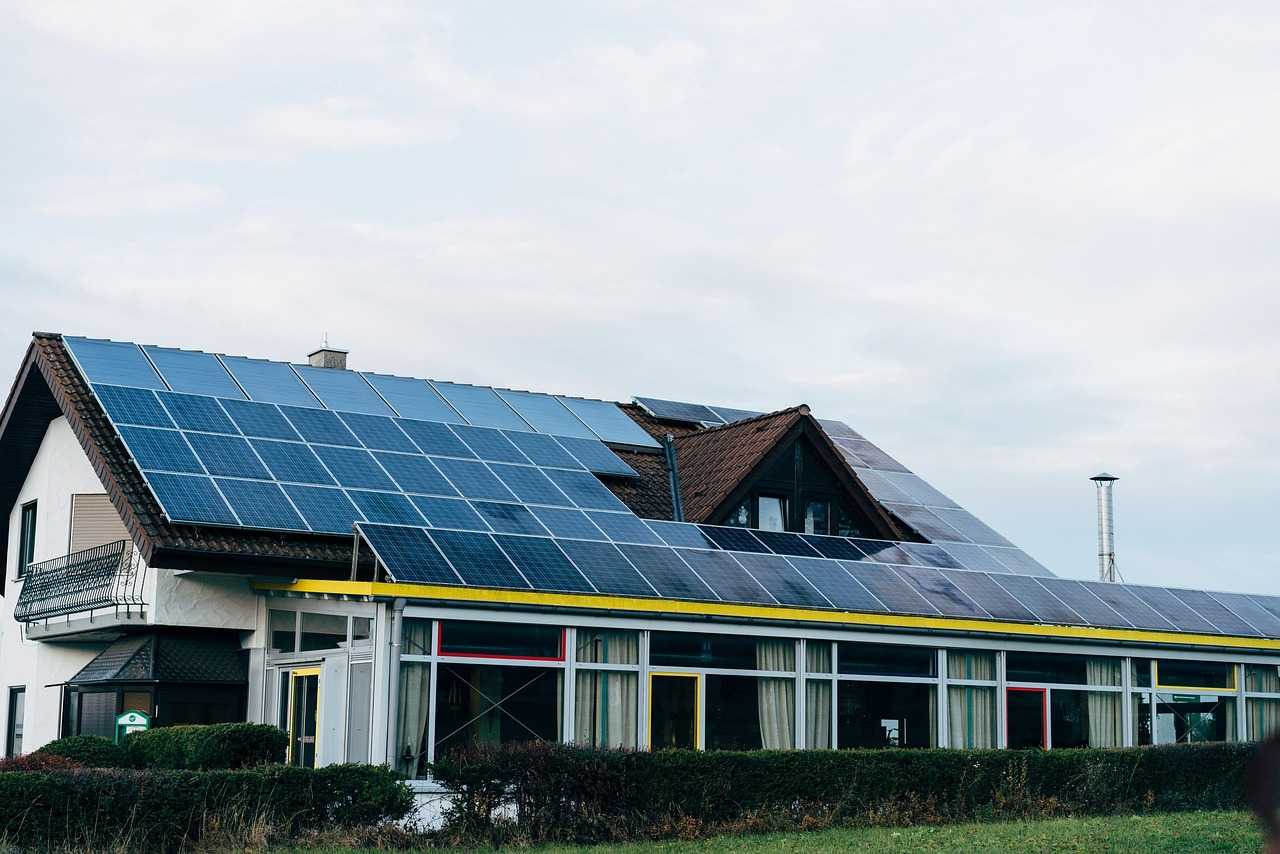
At the same time, the affluent traveler is far more eco aware. Flashy carbon heavy escapes are out. Low impact, high comfort journeys are in. Sustainability is no longer an add on feature it’s baked into the trip. That might mean solar powered safari lodges, zero waste alpine retreats, or menus that source from regenerative farms. The point is clear: the well traveled don’t want to leave a trace.
And here’s the pivot exclusive no longer equals excessive. The new luxury is bespoke, not brash. It’s a quiet villa over a flashy suite, organic textiles over exotic skins. The idea is to feel personally seen and globally responsible. For luxury to stay relevant, it has to strike this smarter balance.
For more perspective, explore the latest experiential luxury trends.
The Shift from Ownership to Transformation
Luxury spending isn’t about signaling wealth anymore it’s about signaling change. Today’s high end consumer isn’t dropping five figures to flaunt. They’re spending to feel something: restored, evolved, more in tune with themselves.
That’s why high end retreats are booked months out. Not for the marble bathrooms or exclusive menus (though those help), but for the chance to come back different. Think wellness residencies focused on longevity, mental reset camps deep in the Andes, or Japanese studio stays where you learn ceramics from a master potter. You come for the experience, but you leave with something internal: a shifted mindset, a new skill, a quieter ego.
Hands on creation is having a high end renaissance, too. Wealthy travelers are blowing past the passive consumption model and getting their hands dirty whether that’s crafting a signature scent with a perfumer in Grasse or learning how to forage and cook in a wild Nordic kitchen. These aren’t just bucket list moments; they’re personal investments.
For many of these new luxury buyers, value equals transformation. Owning is static. Experiencing is dynamic. The ROI? A story worth telling, a shift you can feel, and a version of yourself money alone can’t buy.
What Luxury Brands Need to Rethink
From Stores to Stages: Retail as Experiential Theater
Luxury retail spaces are no longer just points of sale they’re becoming dynamic storytelling environments. Consumers crave engagement, not just transactions. In response, high end brands are transforming their boutiques into immersive, multi sensory experiences that communicate identity, heritage, and aspiration.
Stores designed as immersive environments with personalized customer journeys
Use of sound, scent, textures, and digital interactivity to engage all senses
A shift from sales driven design to storytelling driven ambiance
Loyalty Built on Emotion, Not Discounts
Traditional loyalty programs based on points and perks are becoming outdated. Today’s luxury consumers are driven by emotional value and memorable experiences over standard incentives.
Emotional resonance has replaced transactional loyalty
VIP access, private events, and bespoke interactions foster deeper brand relationships
Creating unforgettable moments is what keeps customers coming back
Investing in Emotional Capital
Forward thinking luxury brands understand that emotional impact is the new currency. When a purchase is tied to personal meaning or transformation, it carries more long term brand value.
Bespoke services that connect with customers’ identity and aspirations
Collaborations with artists, chefs, and local experts for culturally rich experiences
Prioritizing authentic connections over extravagant displays
The brands that will shape the future of luxury are those investing not just in design and product, but in how they make people feel connected, seen, and transformed.
Bottom Line: Keeping It Real
The pandemic didn’t kill luxury it clarified it. Today’s big spenders aren’t looking for more things; they’re chasing more meaning. The luxury that wins now taps into something deeper: human connection, personal transformation, and real presence. Not just flexing wealth, but living well and with intention.
Brands that get it are shifting from products to purpose. They’re crafting experiences that actually move people. Think less about price tags, more about stories. A silent retreat that resets your nervous system carries more clout now than the latest drop from a fashion house.
This is the future of luxury: not just something you buy, but something you live fully, consciously, and with a sense that what you’ve chosen actually matters.