
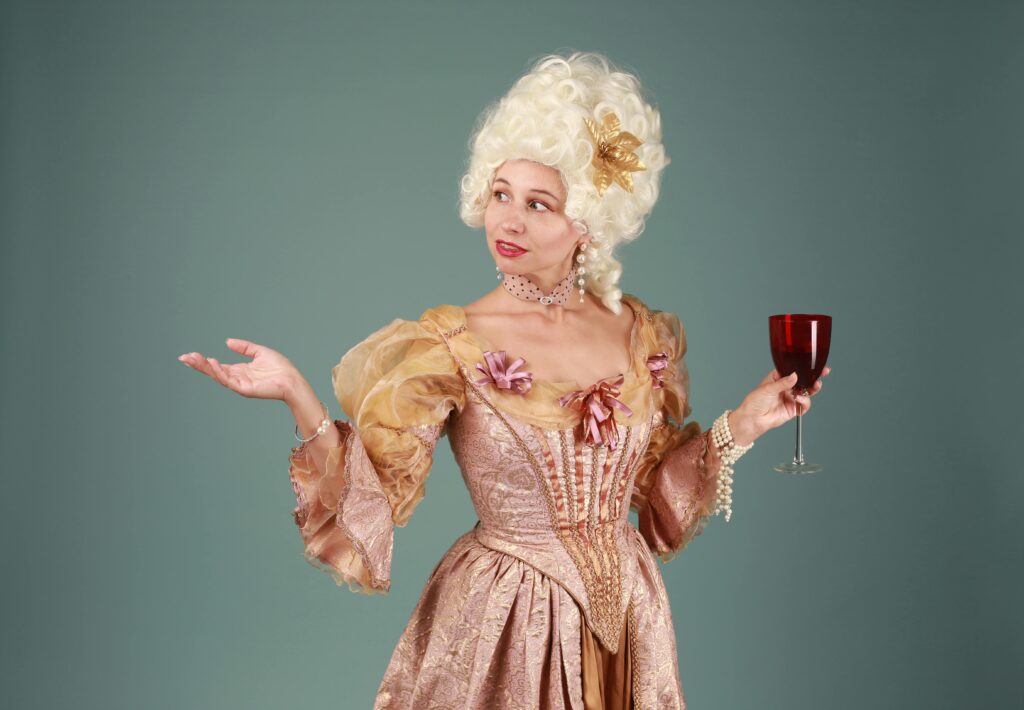
Renaissance clothing embodies an era of artistic sophistication and cultural renewal. As we expand our appreciation for diverse body types, plus size Renaissance dresses have gained significant attention. They allow wearers to explore historical fashion while prioritising comfort and style. But what makes these garments truly stand out? This article delves into the key features that define high-quality plus size Renaissance dresses, ensuring that anyone can channel their inner nobleman or lady.
Understanding the Renaissance Aesthetic
Before we dive into specifics, it’s essential to grasp the essence of Renaissance fashion. This period, spanning from the 14th to the 17th centuries, celebrated elaborate designs, rich fabrics, and intricate detailing. Dresses were often characterised by their sumptuous textiles and artistic embellishments, reflecting the wearer’s social status. Today, these characteristics are being thoughtfully adapted to fit modern body types, including those seeking size-inclusive historical fashion options.
The Right Fabric
When choosing a Renaissance dress, fabric quality is paramount. Authentic Renaissance clothing was typically made from luxurious materials such as silk, velvet, and brocade. In modern plus size designs, these fabrics remain crucial. Here’s why:
- Comfort and Breathability: High-quality fabrics help regulate body temperature, ensuring wearers can enjoy their attire without discomfort. This is especially important for plus sizes, where additional layers may lead to overheating.
- Drape and Structure: Fabrics such as silk and velvet possess natural drape, allowing dresses to flow elegantly, which enhances the overall silhouette. This quality helps accentuate shapes without constricting movement.
- Durability: Opt for fabrics that can withstand the rigours of a Renaissance fair or themed event. A garment that holds its quality after multiple wears will feel more practical for participants in recreations or costume gatherings.
Craftsmanship and Construction
The craftsmanship behind a plus size Renaissance dress is critical in determining its quality. Here are a few aspects to consider:
- Seams and Stitching: Strong, well-constructed seams prevent the garment from falling apart. Look for dresses with double-stitched seams, especially in areas that endure stress, like the waist and underarms.
- Lining: High-quality dresses often feature a lining that adds comfort and structure. A well-lined dress prevents any itching from external fabrics and allows for smooth layering.
- Finishing Touches: Details such as hand-embroidered elements, accomplished beadwork, or tailored corsets can elevate a dress from average to exceptional. These features not only pay homage to period accuracy but also reflect the attention to detail invested by the artisan.
Adjustable Sizing and Fit
A hallmark of quality plus size dresses is their flexibility in sizing and fit. Historical garments often relied on intricate lacing and adjustable elements to accommodate varying body shapes. Here’s how modern designs mirror this adaptive philosophy:
- Corsetry and Lacing: Many Renaissance dresses incorporate corsets or laced backs, allowing for adjustable fits. This creates a flattering silhouette while providing comfort, making it easier for various body types to wear.
- Generous Cuts: Look for dresses that feature plenty of room in the hips and bust. A generous cut ensures that the garment sits well without squeezing or pinching at any points.
- Empowered Style: A dress that fits well boosts confidence. When you feel comfortable in what you’re wearing, it elevates your overall experience, whether you’re attending a themed event, a historical reenactment, or simply dressing up for fun.
Colour and Patterns
The rich hues typical of Renaissance fashion carry significant weight when selecting a dress. Historically, colours like deep reds, royal blues, and emerald greens were associated with nobility. For the modern wearer, choosing the right colours and patterns can make all the difference. Here’s what to keep in mind:
- Natural Dyes and Prints: Consider dresses that utilise natural dyes, as they offer vibrant colours while being gentler on sensitive skin. Printed patterns, such as florals or motifs common in Renaissance art, can add a whimsical touch.
- Flattering Shades: Certain colours complement different skin tones; for plus size figures, opt for shades that enhance your natural hues without overwhelming. Jewel tones tend to be universally flattering, providing depth and warmth to various complexions.
Versatility for Occasions
Lastly, a high-quality plus size Renaissance dress should be versatile. While you may envision wearing it to a specific event, the ability to style it for multiple occasions can greatly enhance its value. Here are a few versatile styling tips:
- Layering Options: Combine your dress with layers such as fitted bodices or elegant capes for cooler months. This not only adds dimension but can also transform its silhouette.
- Accessorizing: A few carefully chosen accessories can turn a simple dress into an eye-catching ensemble. Consider statement jewellery or period-appropriate headpieces to elevate your look.
- Seasonal Adaptability: With the right adjustments, Renaissance dresses can be worn during summer fairs or winter festivals, adapting beautifully to both warm and cool climates.
In Conclusion
Investing in a high-quality plus size Renaissance dress is not just about following a trend; it’s about embracing a rich cultural heritage while celebrating individual beauty and diversity. By paying attention to factors like fabric quality, craftsmanship, fit, colour, and versatility, you can ensure that your garment not only looks beautiful but feels amazing as well.
As interest in historical fashion continues to grow, it’s exciting to see more size-inclusive historical fashion options coming onto the market. Whether you’re dressing for a special event, participating in thematic gatherings, or simply appreciating the art of Renaissance attire, the right dress can transform your experience and offer a glimpse into this fascinating era.