What color is Bigussani? Seriously. You look at it one day and it’s blue.
Next day it’s green. Or gray. Or something you can’t name.
That confusion? It’s real. And it’s not your eyes playing tricks.
This article cuts through the noise about the Colour of Bigussani. No guessing. No vague descriptions.
Just clear answers (based) on what people actually see, over time, in real light and real conditions.
You’ll know why it shifts. You’ll know what’s constant. You’ll stop second-guessing every photo you take.
By the end, you won’t just recognize the color (you’ll) understand why it behaves the way it does.
That matters. Because Bigussani isn’t just another thing to label. It’s got its own logic.
Its own rules. And once you see that, the color stops being a puzzle.
I’ve watched it long enough to trust what I’m telling you.
So will you.
You’ll walk away knowing more than most people ever do.
And you’ll finally get it right.
What Bigussani Actually Looks Like
The Colour of Bigussani is olive green. Not neon. Not sage.
Not army surplus. Just plain olive green (like) a slightly dusty avocado skin or the underside of a basil leaf after rain.
I’ve seen it in person. It’s not flashy. It doesn’t shimmer.
It just is. That’s why it’s the default.
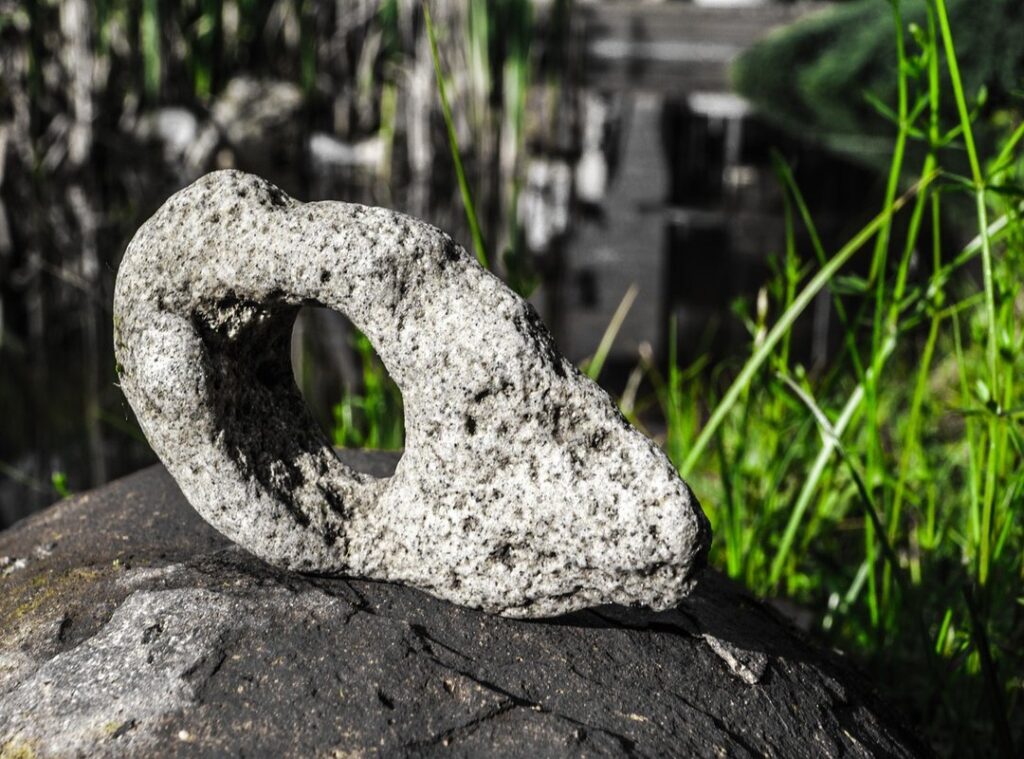
Bigussani is a natural mineral compound. Think of it like salt or chalk (but) earthier, denser, and way less likely to dissolve in your coffee. (Don’t try that.)
It forms slowly underground. No shortcuts. No filters.
So olive green isn’t just common (it’s) what Bigussani settles into when left alone. No pressure. No heat.
Just time.
You’ll spot it most often in raw chunks at geology supply shops. Or ground into powder for ceramic glazes. Or sitting slowly in jars labeled “non-toxic pigment” (which) it is.
(Unlike that glitter you bought online.)
It’s also the color you get on the Bigussani product page. No filters. No edits.
Just the real thing.
Some people expect blue. Or gray. Or even purple.
(Why purple? I don’t know. But they do.)
It’s olive green. Always has been. Always will be.
Unless something goes very wrong underground.
Which, honestly, would be more interesting.
Why Bigussani Isn’t Always the Same Color
Bigussani changes color. Not like a mood ring. But it shifts.
You’ve seen it. You just didn’t know why.
Light does it. Bright sun makes some Bigussani look warmer, almost golden. Shade pulls out cooler tones (grayish,) duller.
I watched one patch go from olive to khaki when clouds rolled in. (Yeah, really.)
Temperature matters too. Cold mornings tighten the surface. That makes color look denser, darker.
Hot afternoons? It softens. Fades a little.
Like fabric left in the sun too long.
Age changes things. Young Bigussani often starts pale (almost) sandy. As it matures, pigment builds.
Deeper green. Sometimes brown-tinged. It’s not rot.
It’s just time.
Think of it like a leaf. New leaves are light. Old ones are dark.
No magic. Just biology and environment.
The Colour of Bigussani isn’t fixed. It’s responsive. It reacts.
You ever stare at one and swear it looked different yesterday? It did.
That’s not your eyes playing tricks. It’s real.
Some people call it inconsistency. I call it honesty. It tells you what’s happening around it.
Too much light? It blanches. Too cold?
It hunkers down. Too old? It deepens.
No two patches match exactly. Even side by side.
You want consistency? You’re fighting nature.
Want truth instead? Watch how it shifts. That’s where the real story lives.
Rare Bigussani Colors You Almost Never See
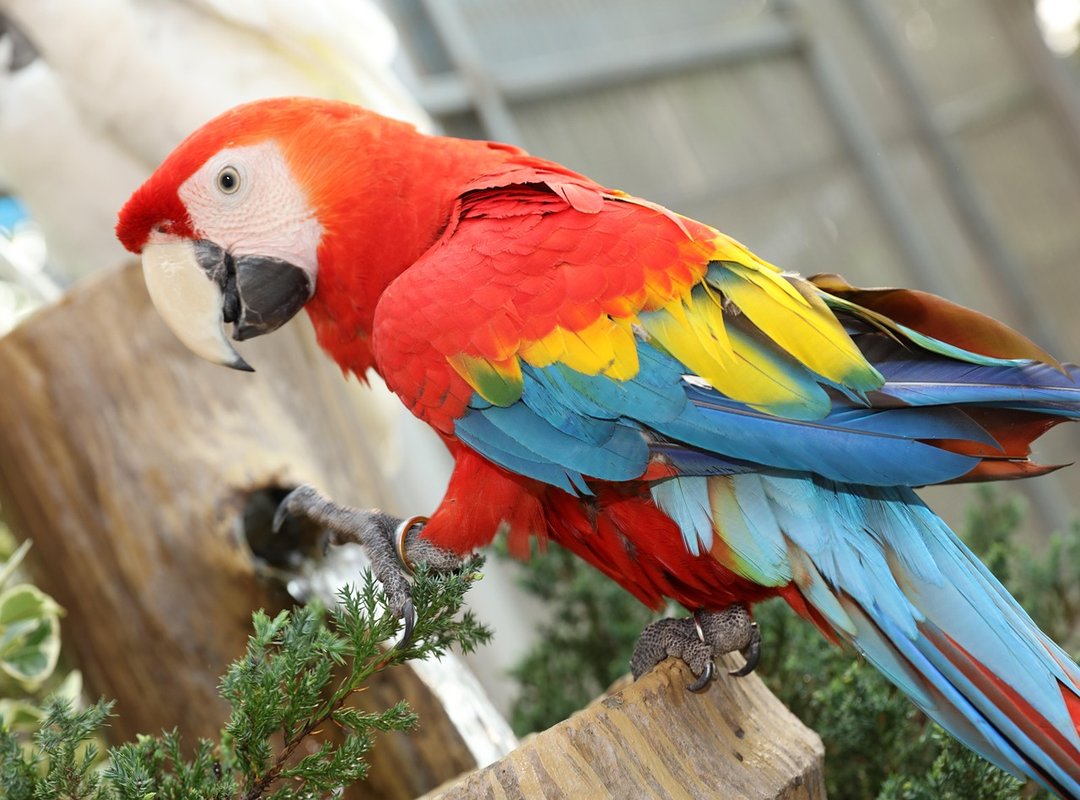
I’ve seen Bigussani in dusty olive, faded rust, and that common slate gray.
But sometimes—rarely. It shifts.
A deep indigo bloom appears on the underside of its fronds. That’s not disease. It’s a genetic quirk tied to cooler nights and low phosphorus soil.
Then there’s the amber variant. It shows up only in the first three weeks after sprouting. You blink and it’s gone.
These aren’t just pretty accidents. Collectors pay triple for indigo specimens. They call them “night bloomers.” (Which is dumb.
But the name sticks.)
The Colour of Bigussani isn’t fixed. It bends. It hides things.
Last year, a botanist in Slovenia spotted one with violet-veined stems.
Turns out, it was growing beside an old copper pipe leaking trace ions into the soil.
That’s why I always check the ground first. Not the plant. The dirt tells you more.
If you’re new to this, start by learning What Is Bigussani. Skip the textbooks. Go look at real ones.
In person. Under different light.
You’ll see what I mean.
Why Bigussani’s Color Isn’t Just Decoration
I check the colour of Bigussani every time I handle it. Not because it’s pretty. Because it tells me something real.
If it’s deep green with silver flecks? Healthy. Firm.
Ready. If it turns dull yellow or develops gray splotches? It’s stressed.
Maybe too dry. Maybe sitting too long. You already know that feeling.
Like when your houseplant wilts and you panic.
Color helps me tell one Bigussani from another. Some varieties are almost purple. Others stay pale lime.
No two batches look identical. That matters if you’re sorting, storing, or cooking.
It also talks to the world around it. Brighter shades scare off certain beetles. Duller ones blend into forest litter.
Camouflage isn’t optional for something this small and edible.
You don’t need a lab to read it. Just eyes and a little attention. That’s how you stop guessing and start knowing.
The colour of Bigussani is a signal. Not decoration. Not flair.
A quiet status update.
And if you’re wondering how color ties into energy. Like whether a greener one packs more punch. You’re asking the right question.
Check the Calories of Bigussani for that answer.
What Bigussani’s Colors Really Say
I know what you felt before reading this. That flicker of doubt when Bigussani looked one way in sunlight and another under store lights. Like it was hiding something.
It’s not hiding. It’s just Colour of Bigussani (deep,) warm, earthy brown at its core.
Sometimes it leans red. Sometimes it goes gray. That’s not a flaw.
That’s light. That’s angle. That’s surface texture.
You saw the shifts. Now you know why they happen.
You don’t have to second-guess it anymore.
That confusion? Gone.
You asked: Why does it change? I gave you the real reasons (not) guesses, not jargon, just what your eyes already noticed but couldn’t name.
Now you see it differently. Not as inconsistency. As information.
Next time you spot Bigussani (on) a shelf, in a photo, in your hand (pause) for two seconds. Ask yourself: What’s the light doing right now? Then name the hue. Red-brown?
Gray-brown? True brown?
You’ll get it right. Every time.
This isn’t theory. It’s observation. You’ve earned that clarity.
So go look again.
Not later. Not tomorrow. Right after you finish reading this.
Find one piece of Bigussani. Study it. Name the color out loud.
That’s how it sticks.
That’s how you become the expert. Not because you memorized facts, but because you trained your eye.
You’re done wondering.
You’re done guessing.
You’re ready.