
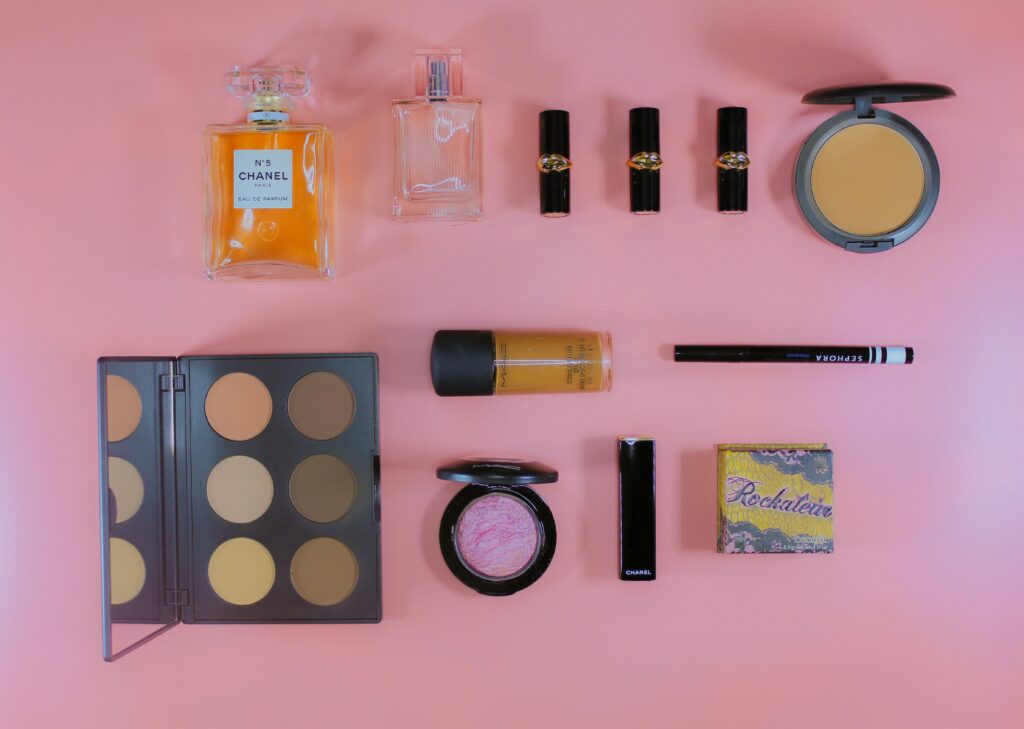
A beauty label gets mentioned in a “best new moisturizers” roundup. A boutique fashion brand is tagged in a creator’s gift guide. The name is out there, but the article never links to the shop. For growing brands, learning how to earn links from unlinked brand mentions can turn that existing attention into a useful path for readers to discover products and collections.
The key is to treat a mention as an opening, not an obligation. Editors and creators do not owe a brand a link, and a clumsy request can make a positive feature feel transactional. A considerate, specific note—sent when a link would genuinely help the reader—is much more likely to get a response.
Find mentions that make sense to follow up
Start by looking for brand names, product names, founder names, and distinctive collection terms across web search, social platforms, newsletters, and press coverage. Alerts and media-monitoring tools can help, but occasional manual searches are useful for smaller labels that may not appear in every monitoring feed.
Then check the context. A detailed review, a product roundup, or a story about sustainable materials may be a natural place for a link to the exact item or collection being discussed. A passing mention in an unrelated post is less promising. Prioritize pages where readers might reasonably want to learn more or shop.
Before reaching out, confirm that the mention is truly unlinked. Some publishers link to a retailer, a parent company, or a different product page instead of the brand’s main site. Also check that the page is still live and that the product is available. If a shade, size, or collection has sold out, an evergreen category page may be a better destination than a dead-end product listing.
Make the request useful to the publisher
A good outreach email is brief and personal. Mention the article by name, point to the exact sentence, and explain—in one line—why a link could help readers. For example, it may let them see the full ingredient list, compare available colors, or find the collection described in the piece. Give the editor the most relevant page, not a generic homepage, and make it easy to ignore the request if it does not fit their editorial standards.
That specificity matters in ecommerce link building. Guidance on building links to product and category pages highlights a practical point: a backlink should lead somewhere that matches the mention. A story about a signature serum might suit its product page; a seasonal guide to occasionwear may be better served by a category page with several options.
Keep the tone collaborative rather than demanding. Avoid asking for a particular anchor phrase, offering payment for an editorial link, or implying that the writer has made a mistake. If the page has a correction or outdated detail, flag it politely. One follow-up after a reasonable interval is usually enough; repeated messages can harm the relationship more than an unlinked mention does.
Give readers a destination worth linking to
Sometimes a brand is mentioned because the product is interesting, but its website does not make the next step clear. Before doing outreach, check that the linked page loads quickly on mobile, explains what makes the item distinctive, and answers basic questions about ingredients, materials, sizing, shipping, or returns. For beauty shoppers, clear usage instructions and full ingredient information can matter as much as polished imagery. Fashion shoppers may need fit notes, measurements, and care guidance.
Small brands do not need a sprawling site to make a strong impression. A focused collection page, concise product descriptions, and easy-to-find policies can do more than an elaborate design that hides the essentials. If you are planning a startup website on a budget, decide which pages are essential before hiring for design or development. This guide to prioritizing startup web development offers a useful way to think about scope and launch needs. Osdire, a freelance marketplace, is one place founders can explore services across areas such as programming, design, writing, and marketing.
Build relationships, not a tally of links
An editor may decline, add a link later, or simply not reply. That is normal. Keep a simple record of the mention, contact, date, and outcome so you can avoid duplicate outreach and notice which kinds of coverage tend to lead to useful conversations. Thank people who respond, whether or not they add a link, and share their coverage through your own channels when appropriate.
Also look beyond individual requests. A brand that regularly offers useful expertise—such as a formulator explaining how to layer active ingredients, or a designer discussing fabric care—can become a better source for future stories. Original research, thoughtful guides, and genuinely helpful product information give writers something substantive to reference, rather than another sales pitch.
Measure what matters
Do not judge the effort only by the number of links secured. Note whether visitors from a mention explore related products, join a mailing list, or make a purchase. Check that the destination remains relevant over time, especially when products are discontinued or seasonal collections change. A smaller number of well-placed links from pages that suit the brand can be more valuable than a long list of mentions that send readers to the wrong place.
Unlinked mentions already show that a brand has entered a conversation. A respectful follow-up, a useful destination, and a clear reason for the link can help readers move from hearing about a product to understanding whether it belongs in their routine or wardrobe. That is the point: make discovery easier without making the coverage feel like an ad.