Power Plays Shaping the Luxury Landscape
Luxury isn’t just about heritage anymore it’s about scale. As the market gets tighter, consolidation is proving to be the clearest path to staying relevant, competitive, and globally visible. The big fish are getting bigger, not just to show off muscle, but because they have to. Owning multiple prestige labels under one roof means tighter supply chains, unified storytelling, and stronger leverage with retailers and platforms.
LVMH and Kering have spent the last few years buying up independent fashion houses, jewelry brands, and even hospitality ventures. But it’s not just the headline names making moves. Smaller, under the radar deals often regional or digital first brands are quietly shaping what luxury means to next gen consumers. These acquisitions aren’t loud, but they’re strategic: Gen Z friendly labels with niche influence, or specialist makers with sustainable credentials that big brands can bolt onto their own identity.
Scale matters now because the game has changed. Operating globally and online requires a different level of resilience. Logistics, marketing, tech infrastructure, and brand heat all benefit from consolidation. In luxury, power is shifting to those who can think like a group while still selling individuality.
Strategy Behind the Big Moves
At the core of luxury’s latest M&A wave is simple math: more reach equals more relevance. Big brands aren’t just buying competitors they’re buying access. Whether it’s tapping into fast growing markets in Southeast Asia or onboarding millions of Gen Z consumers already fluent in digital commerce, these deals are about plugging into ecosystems that would take years to build from scratch.
Beyond market share, distribution and supply chain muscle matter more than ever. Cross border logistics and last mile delivery are no longer optional perks they’re brand expectations. Merged companies can share warehouses, streamline sourcing, and control more of the customer journey, all while reducing costs. That’s real power.
Then there’s the intangible upside: brand prestige. When two houses with deep cultural capital join forces, it’s not just about selling more handbags. It’s about elevating both names through shared narratives heritage craftsmanship meets digital innovation, or streetwear attitude meets legacy couture. That kind of synergy doesn’t just expand audiences; it deepens brand meaning.
Notable Mergers & Why They Matter
LVMH’s Full Acquisition of Off White
LVMH’s move to take full ownership of Off White, Virgil Abloh’s brainchild, wasn’t just about tightening control it was a strategic play to deepen its influence over the Gen Z led streetwear market. LVMH gained creative continuity, direct access to Off White’s younger fanbase, and leverage to infuse streetwear credibility across its wider portfolio. For Off White, the deal meant steadier infrastructure, broader global presence, and access to LVMH’s logistical networks.
More than profits, this merger allowed both brands to blur the old school boundaries between high fashion and streetwear. Since the deal, Off White’s presence in flagship LVMH stores has grown, along with more curated collabs that feel high touch, not high volume. Customers get more curated drops, better quality control, and a sense that their brand is evolving without selling out.
Estée Lauder Acquires DECIEM (The Ordinary)
Estée Lauder’s buyout of the remaining stake in DECIEM, parent of cult label The Ordinary, gave it a foothold in clinical, ingredient focused skincare with mass appeal. In return, DECIEM got muscle: from global distribution to R&D support. But the real win was evolution without alienation. The Ordinary held onto its minimalist packaging and accessible price points, but now ships faster, stocks wider, and experiments more boldly.
Customer loyalty hasn’t just held it’s deepened. Consistency in message and mission (transparency, no fluff) post deal showed fans that even under a corporate umbrella, values can stay intact. Meanwhile, Estée Lauder infused operational strength without pushing for premiumization, a move that respected the brand’s DNA.
Kering’s Majority Stake in Creed Fragrances
Kering’s entry into ultra prestige fragrance with the majority acquisition of Creed marked its ambition to dominate the scent space. Creed, with its 260 year legacy and loyal niche following, offered rarity and brand mystique. Kering brought the scale to globalize without diluting.
Now, Creed’s boutique footprint is expanding but carefully. Stores are opening in luxury centered geographies, not department store free for alls. Signature scents are being preserved, while digital tools now allow personalized fragrance journeys online. For customers, the deal means better accessibility without overexposure. For Kering, it’s a foothold in a highly profitable, brand loyal space previously outside its core.
Each of these deals succeeded not just by crunching numbers, but by staying sharp on intangibles identity, trust, craft. The brands got bigger, but crucially, not blurrier.
Technology as an Integration Driver
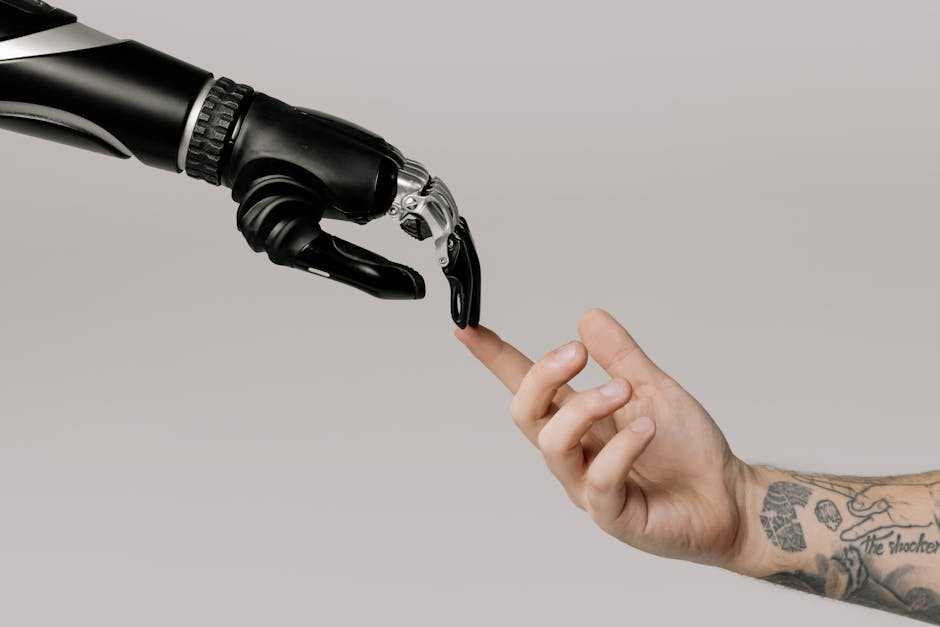
Luxury isn’t just about craft anymore it’s about how smart your backend is. Tech and data have become the connective tissue in nearly every major acquisition. Whether it’s a legacy fashion house merging with a rising e commerce brand or a global conglomerate absorbing a boutique label, the real value often sits in the systems: customer data, logistics platforms, and omnichannel infrastructure.
Today’s luxury buyers care less about foot traffic and more about frictionless experiences across continents. That means CRM that scales globally while feeling personal locally. It means real time inventory sync across digital and physical shelves. And it means using machine learning to spot what a loyal customer in Tokyo might want before they even open their app.
No surprise, then, that tech is no longer the afterthought in M&A it’s the blueprint. Brands that can’t integrate modern data systems or automate their supply lines face a tough climb. But those that treat tech as core strategy, not just backend support, are pulling ahead fast.
Explore how technology is transforming luxury retail
What This Means for Smaller Luxury Players
For smaller luxury brands, survival in 2024 isn’t about status it’s about speed, focus, and smart alliances. The megadeals happening upstream are setting off pressure waves across the entire category. Independent luxury labels now face three choices: partner up, dig deep into their niche, or push innovation hard and fast. Standing still isn’t an option.
Mergers and acquisitions have turned into a kind of insurance policy. In a market defined by economic shocks and supply chain unpredictability, joining forces even in partial or non traditional ways can offer protection. Whether it’s shared infrastructure, co branding ventures, or formal buyouts, the goal is the same: build resilience with scale, not just stature.
But scale alone won’t save anyone. Digital agility the ability to pivot online, launch fast, and personalize deeply is the real edge. The smaller brands holding their ground aren’t necessarily the biggest, they’re the savviest: fast to test, faster to adapt. While old school prestige still has pull, it’s the nimble brand with data driven instincts that’s best positioned to survive the next disruption.
Future Moves to Watch
As the luxury industry continues to evolve, the next wave of consolidation is already taking shape. Strategic acquisitions aren’t just about gaining market share they’re about future proofing portfolios, entering high potential categories, and aligning with next gen consumer expectations.
Sectors Ripe for Consolidation
Some categories are emerging as key targets for the next round of deals:
Fine Jewelry: Rising demand from younger consumers and growing online sales make this a high value sector. Established players seek boutique labels with strong storytelling and heritage appeal.
Fragrance Houses: Fragrance offers strong brand loyalty and attractive margins. Multinationals are eyeing indie and niche perfume brands to diversify their scent portfolios.
Digital Native Luxury Brands: Born online, these brands often bring a built in audience and hyper targeted appeal. Strategic suitors are interested in their direct to consumer models and social driven growth.
Who’s Likely to Move Next?
Key players are already posturing for their next big acquisition. These include:
LVMH: With an appetite for category dominance, LVMH continues to scan the market for high end craftsmanship brands it can scale globally.
Kering: With a focus on generational repositioning, Kering is likely to pursue younger, digitally literate labels in beauty and lifestyle.
Estée Lauder Companies: Active in the fragrance and skincare space, Estée Lauder is expected to double down on high growth indie brands with cult status.
The Technology Crossroad
Technology’s role in acquisition strategy is only growing. Whether it’s for seamless global logistics, CRM optimization, or data driven personalization, companies are no longer just acquiring brands they’re acquiring ecosystems.
Learn more about technology’s increasing role in luxury retail
In short, the future of luxury isn’t just handcrafted it’s high tech, highly strategic, and inevitably more connected.
Bottom Line
Luxury isn’t just about logos anymore it’s about ecosystems. The wave of mergers happening across the industry isn’t just making boardroom news, it’s rewriting how luxury is made, distributed, and experienced by the end customer. Big names aren’t just acquiring for scale they’re marrying heritage with data, craftsmanship with global infrastructure. It’s less about owning more, and more about owning better.
For customers, this means smoother service, deeper personalization, and a more seamless experience whether they’re shopping in store in Paris or online in Jakarta. For brands, it’s a push toward tighter integration from sourcing and logistics to marketing and clienteling. In this new era, precision is power. Those who control the full pipeline from creation to checkout are the ones redefining what luxury looks like in the modern age.