Fashion’s New Frontier: Fluidity Over Labels
Luxury fashion has never been afraid of change, but lately, it’s rewriting the rules entirely. The binary approach men’s versus women’s collections is getting pushed aside in favor of a looser, more fluid model. We’re seeing it on the runways and in the retail spaces: garments no longer speak to gendered archetypes. Instead, they speak to personality, mood, or context.
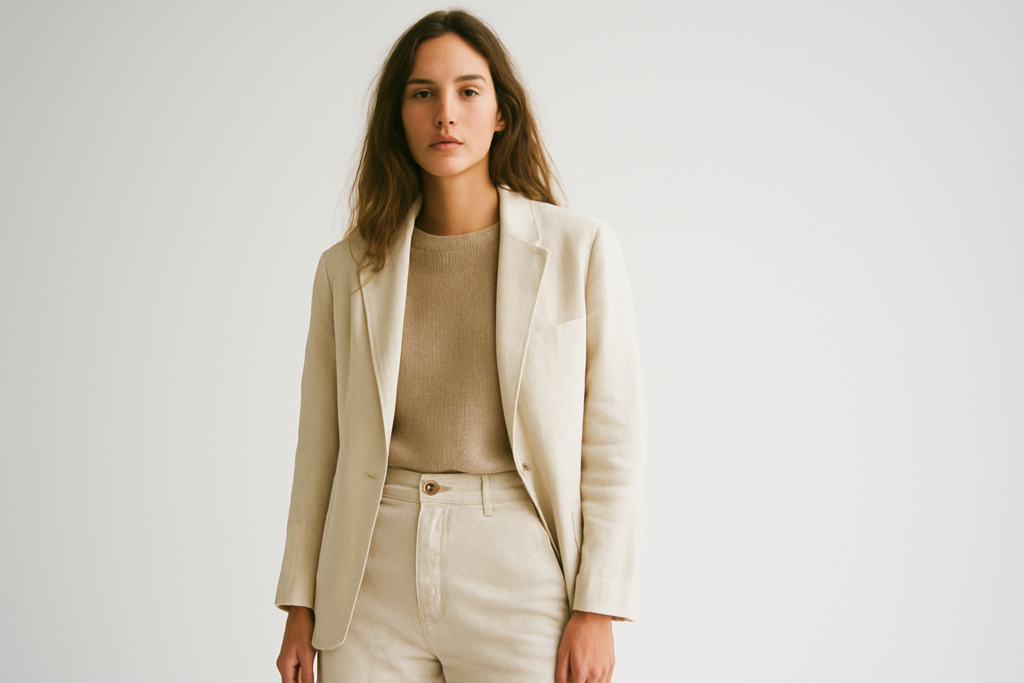
Designers are leaning into shapes and materials that aren’t built around one body standard. Think draping that works on any frame, tailoring that isn’t coded masculine or feminine, and collections labeled by theme rather than gender. This isn’t just editorial flair anymore it’s making its way into stores, where the old men’s/women’s divide feels increasingly out of step.
Part of this is cultural. Identity is more layered now. Gen Z especially doesn’t identify with hardlines around gender so they don’t want their clothes to either. Tradition is becoming optional. Self expression is the new default.
For high fashion, the takeaway is simple: adapt or fade. Clinging to old molds means losing relevance in a market that’s not just looking for beauty, but for meaning.
Designing Without Borders
Luxury fashion used to speak in absolutes men’s versus women’s, suits versus dresses. That line is blurring fast. Brands like Gucci, Balenciaga, and JW Anderson are not just bending the binary, they’re rewriting it entirely.
At Gucci, Alessandro Michele’s legacy of blurred boundaries still echoes through collections packed with lace trimmed tailoring and silk shirting that fits anyone, not any label. Balenciaga leans into androgyny with boxy cuts, exaggerated proportions, and a refusal to separate style by gender. JW Anderson mixes play and polish, pushing silhouettes that feel unclaimed by any specific identity.
What’s driving this isn’t just creative instinct it’s demand. Consumers, especially younger ones, want fashion that reflects who they are, not what they’re told to be. Materials are shifting to match: soft knits, structured meshes, hybrid pieces that adapt to body types without assumptions. The result is a new kind of garment designed with every body in mind and built to move beyond categories.
Aesthetic neutrality is no longer niche. It’s the frontier. And those who design without borders are leading the charge.
Culture, Identity & Expression

Fashion has always been a reflection of culture but what happens when the culture stops playing by old rules? Right now, the line between gender identity and style is blurrier than ever. For a growing number of people, clothing isn’t about dressing ‘like a man’ or ‘like a woman’ it’s about showing up fully as themselves. That shift isn’t theoretical. It’s showing up on runways, in marketing, and most clearly, in what people are actually buying.
Luxury brands have been taking the hint. Gen Z and millennials two generations fluent in identity fluidity expect more than creative cuts and high thread counts. They want brands that get it. Not in a performative, once a year pride campaign kind of way, but deep in the DNA: collections without gender tags, ads that reflect real diversity, and stores that don’t assume who you are when you walk in.
Inclusivity isn’t a marketing gimmick anymore. It’s a baseline. Brands that treat it like a trend will age out fast. But those investing in inclusivity as a long term design principle and business direction? They’re building something future proof.
Explore the genderless fashion future
Commercial Innovation in Genderless Fashion
Luxury fashion isn’t just moving genderless in design it’s reshaping how products are marketed, sold, and experienced. Brands are starting to leave behind the tired male/female divide in retail setups. Think fewer signs telling you where to shop based on your gender, and more open concept spaces where clothes are grouped by style, not sex. Online, the shift is even simpler: filters labeled by fit, fabric, function not whether it’s for men or women.
Marketing is adjusting, too. Campaigns now feature broader identity spectrums faces that don’t check traditional boxes, voices that feel real. Brands talking less about who clothes are for, and more about how they make you feel. For newer labels, this isn’t a pivot it’s the strategy from day one.
There are operational wins, too. One unisex line means leaner production, tighter inventory, and easier scaling across seasons and regions. Fewer SKUs, more freedom to experiment. This model reduces waste and increases creativity without sacrificing luxury. Efficiency is no longer at odds with expression. In genderless fashion, it’s built in.
Beyond the Runway: The Bigger Conversation
Luxury fashion isn’t just selling looks it’s shaping how we see identity. In 2024, the pivot toward genderless design has evolved from trend to cultural stance. Brands like Loewe, Rick Owens, and Maison Margiela aren’t just tweaking fit and fabric they’re dismantling decades of coded conventions. Genderless fashion is becoming its own design language. One that speaks with purpose.
This shift isn’t happening in a vacuum. Redefining how clothing is framed challenges how gender is perceived around the world. When a major campaign drops without binary labels, or a runway blurs masculine and feminine with intention, it nudges culture itself. The message: identity is personal. Clothing can be too.
For brands, this comes with big consequences. Gender neutral collections aren’t just inclusive they’re strategic. They signal adaptability. They invite wider audiences, younger values, and deeper emotional ties. Over time, these design choices influence marketing, retail structure, and even corporate identity. The future of fashion won’t ask you to pick a side. It’ll make space for you to bring your own.
Want more on where genderless fashion is heading? Discover more on the genderless fashion future