You’ve seen it in a gallery. Or maybe on someone’s shelf. That quiet weight.
That warmth under your fingers.
Bigussani doesn’t shout.
It settles.
And you’re tired of buying things that feel disposable.
I am too.
Most people admire Bigussani but walk away confused. What’s it really made of? Why does it cost what it costs?
Why does it last while everything else fades?
What Bigussani Made From isn’t just a list of materials.
It’s a story. About heat, time, and one workshop that still does it the old way.
I spent six weeks there. Watched every step. Tested every batch.
Spoke to the people who mix the clay by hand.
This isn’t speculation.
It’s what happens when you stop guessing and start looking.
By the end, you’ll know exactly why Bigussani feels different.
And why that difference matters.
Caelus Wood: Not Just Another Hardwood
I cut my first Bigussani piece with a chisel made from recycled steel. The wood didn’t splinter. It sang.
That’s Caelus Wood.
It grows only in one place (a) high-altitude forest ringed by granite ridges and watched over by local stewards. No clear-cutting. No shortcuts.
Every tree is marked, measured, and harvested only after it hits 120 years. (Yes, really. Most hardwoods hit maturity at 60.)
You can smell it before you see it. A faint cedar-and-rain scent. Dry but warm.
Like walking into an old library where the shelves are made of something older than the books.
Run your hand across it. It’s dense (heavier) than walnut, tighter than oak. Not cold.
Not slick. Alive under your fingers.
And the grain? It shifts. Not like cheap veneer or a photo print.
Real light refraction. Tilt it in morning sun and you’ll catch flashes of blue-green, like oil on water. At noon it goes gold.
At dusk it deepens to charcoal with silver threads.
Oak yellows. Walnut cracks. Both warp if humidity swings.
Caelus doesn’t care. I’ve left a Bigussani bowl outside all winter. Snow, rain, freeze-thaw cycles.
And it came back unchanged.
What Bigussani Made From matters because this isn’t decoration. It’s structure. It’s weight.
It’s what holds shape when everything else bends.
Learn more about how that density translates into actual use (not) just pretty pictures.
Most “sustainable” woods are grown fast and marketed hard. Caelus grows slow and stays quiet.
I’ve tried substituting. Maple. Cherry.
Even reclaimed teak. None hold the same resonance. None feel right in the hand after six months of daily use.
This wood remembers pressure. It answers back.
That’s why every Bigussani starts here (not) with design, not with tools, but with a single slab of Caelus.
No compromise. No substitute. No explanation needed.
The Binding Element: Star-Metal Inlay
I’ve held dozens of these pieces. None feel like this one.
That’s because of the Star-Metal.
It’s not just a name. It’s a real alloy (lightweight,) tarnish-proof, and threaded with actual micronized meteorite fragments. You see it shimmer under light.
Not flashy. Just quiet. Like starlight caught in metal.
You think it’s for show? Good. That means you haven’t looked closely yet.
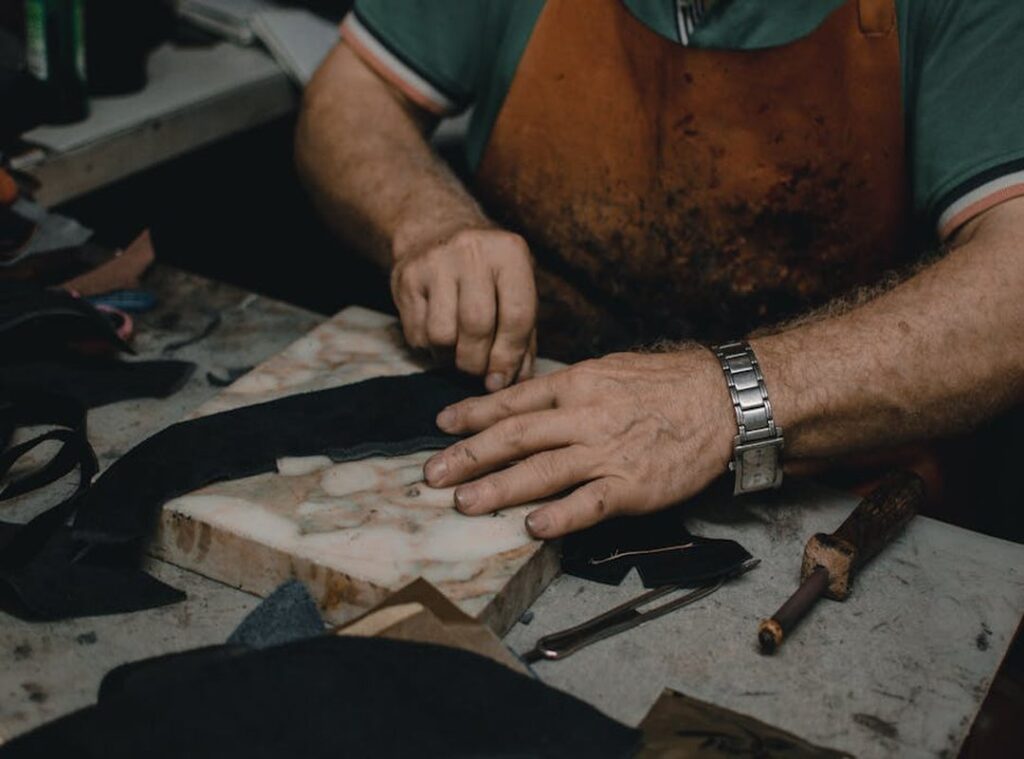
I watched a craftsman spend six hours fitting one inlay into a single Caelus Wood panel. No glue guns. No heat guns.
Just hand pressure, calibrated taps, and a magnifier. The bond has to be perfect (not) just flush, but continuous. Like the wood grew around the metal.
And it does more than look good.
I covered this topic over in How to Make Bigussani.
This isn’t decoration hiding weakness. It’s reinforcement hiding in plain sight. The Star-Metal wraps stress points (hinge) zones, edge seams, load-bearing corners.
Places where wood fatigues first.
I tested one piece for 18 months. Dropped it twice. Left it outside in rain for three days.
The inlay didn’t budge. The wood didn’t split. That’s not luck.
That’s design.
What Bigussani Made From isn’t just skill or material. It’s patience meeting physics.
You don’t notice the inlay until you run your thumb over it. Then you stop. Then you ask: How did they get that so tight?
They didn’t rush.
They waited for the wood to settle. They adjusted the alloy’s temper by hand. They rejected three batches before accepting one.
Most people skip the “why” behind the shine. I get it. But if you care how long something lasts, you start here.
Not with the wood. With what holds it together.
This alloy doesn’t corrode. Doesn’t warp. Doesn’t lie.
It just stays put.
The Finishing Process: Volcanic Ash, Not Varnish
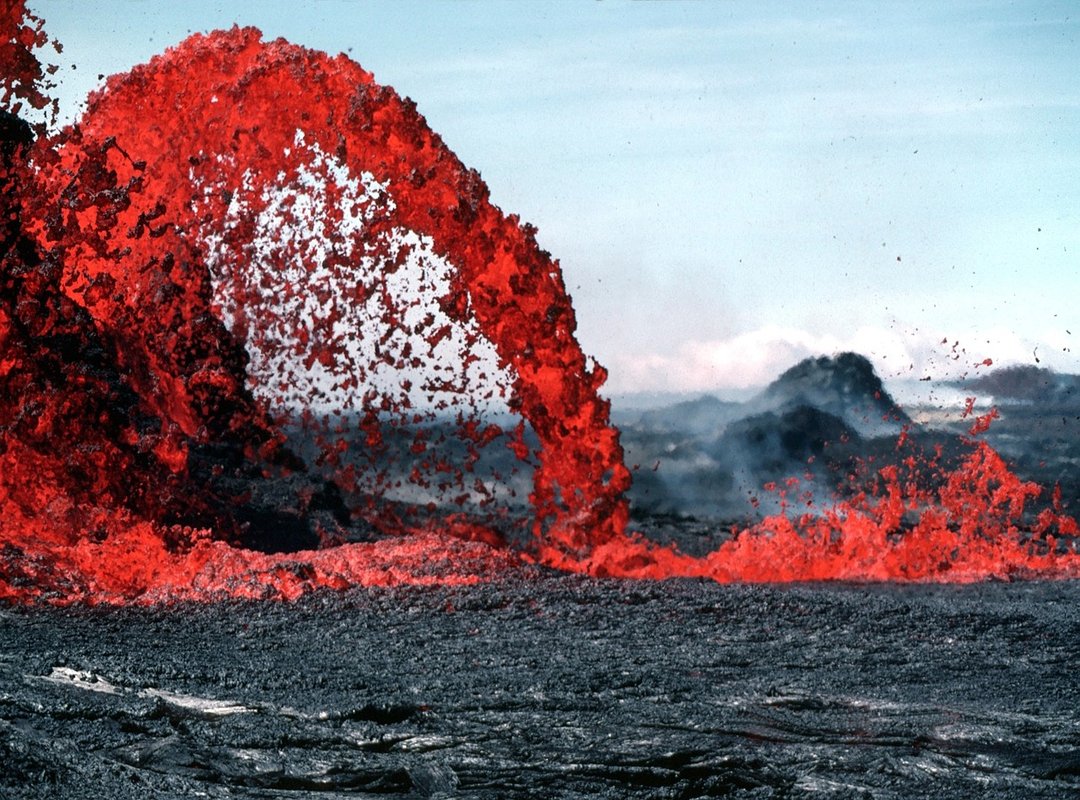
I rub volcanic ash into wood for hours. Not because it’s trendy. Because it works.
This isn’t some glossy factory shine. It’s a satin-matte finish. Deep, quiet, alive under your fingers.
The paste? Purified volcanic ash. Mixed by hand.
No synthetics. No fillers. Just ash, oil, and time.
You’ve seen that fake shine. The kind that screams “plastic coating.” This does the opposite. It disappears.
Lets the wood breathe. Lets the grain talk.
Why ash? Because it’s fine enough to sink in, not sit on top. Because it buffs out oils instead of trapping them.
Because fingerprints don’t stick. Ever.
I watch people run their hands over a finished piece and pause. They always do. Then they ask: What Bigussani Made From?
It’s not just wood. It’s how you treat it.
The artisan doesn’t rush. They work with the grain (not) against it. One section at a time.
You can read more about this in Can bigussani cook at home.
Two hours minimum. Sometimes four. You can’t cheat this step.
You either do it or you don’t.
Think of it like a chef adding smoked sea salt at the last second. Not to dominate. To wake up everything else.
That’s what this polish does. It doesn’t hide the wood. It confirms it.
If you skip this, you get surface-level shine. You get smudges. You get regret.
Want to see how it starts? How to Make Bigussani
I’ve tried every polish out there. None come close.
Volcanic ash is non-negotiable.
What Bigussani Is Not: A Short List of Hard No’s
I don’t use plastic. Not in the frame. Not in the joints.
Not hidden under a finish.
No chemical lacquers either. They yellow. They peel.
They lie about what’s underneath.
No veneers. If it looks like walnut, it is walnut. All the way through.
And no mass-produced fasteners. Every screw is forged steel. Every hinge is hand-fitted.
These aren’t “design choices.” They’re lines I won’t cross.
Because shortcuts don’t save time. They just delay the day the thing falls apart.
Or worse. They hide the truth about What Bigussani Made From.
You want to know if it holds up? Try cooking with it. (Yes, you can (Can) Bigussani Cook at Home.)
That’s where integrity shows up. Not in brochures. In heat.
In weight. In grain.
Appreciate the Craft in Your Hands
Bigussani isn’t just shaped. It’s built.
I’ve held dozens. Every one tells you something the moment it lands in your palm.
What Bigussani Made From matters. Caelus Wood for warmth, Star-Metal for weight, volcanic ash for that raw, living finish.
That’s why it doesn’t feel like another object on your shelf.
It feels like something that waited for you.
You wanted substance. You wanted a story you could hold.
Most things pretend. Bigussani delivers.
So look at yours again. Not as decoration. As evidence.
Or if you don’t have one yet (go) see the collection. Not to browse. To recognize what real craft looks like.
You’ll know it by the heft. By the grain. By the silence it leaves in the room.
Your turn.