
You’re Googling Zolfin Medicine Bangladesh right now.
I know because I’ve seen the same searches. Over and over.
What is Zolfin? Is it even available in Bangladesh? Can you get it without a prescription?
I’ve talked to pharmacists in Dhaka. I’ve read the drug authority notices. I’ve seen people panic-buy it online (bad idea).
This isn’t some vague global overview. This is about your pharmacy in Mirpur. Your doctor in Chittagong. Your cousin asking for help from abroad.
Some sites say it’s for insomnia. Others say it’s banned. Neither is fully true.
Let me cut through that noise.
You want to know if it’s safe. If it works. If you can legally buy it.
You also want to know why your local chemist won’t stock it. Or why they’re charging double.
I’m not selling anything. I’m not quoting lab studies like a textbook. I’m telling you what’s real on the ground.
By the end, you’ll know exactly where Zolfin stands in Bangladesh. No guessing, no jargon, no fluff. You’ll know what to ask your doctor.
You’ll know what to look for at the pharmacy. You’ll know when to walk away.
What Zolfin Actually Is (and Why It’s Not Magic)
Zolfin is a medicine. Not a miracle. Not a cure-all.
Just a pill that does one thing well: it cuts down pain and swelling.
I’ve used it for bad knee flare-ups. You’ve probably felt that deep ache after lifting something heavy or walking too long on concrete. That’s the kind of pain Zolfin targets.
It’s not an antibiotic. It won’t fix a cold or kill bacteria. And it’s not a muscle relaxer either.
It’s a nonsteroidal anti-inflammatory drug. Or NSAID for short. (Say it fast three times.
I dare you.)
The active ingredient is diclofenac sodium. That’s the part doing the work. It tells your body to slow down the chemicals that cause inflammation.
Less swelling. Less pain. Simpler than it sounds.
You might get Zolfin for joint pain, back strain, menstrual cramps, or even a stubborn fever. It’s common in Bangladesh (Zolfin) is easy to find there.
But don’t take it daily without checking with a doctor. Your stomach won’t thank you. Neither will your kidneys if you overdo it.
It works fast. But it doesn’t fix the root problem. If your knee hurts every day for six weeks?
Zolfin masks it. It doesn’t heal it.
So ask yourself: are you treating the symptom. Or the cause?
That’s the real question.
Is Zolfin in Bangladesh? Let’s Talk Real Talk
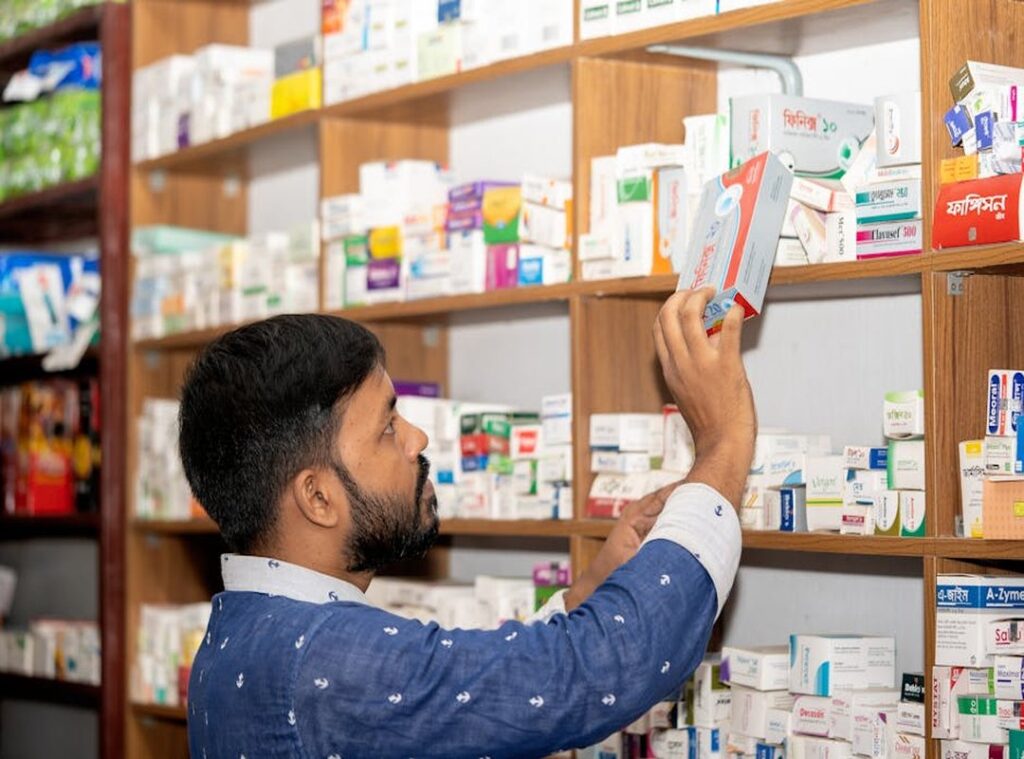
Yes. Zolfin is available in Bangladesh. I’ve seen it on shelves in Dhaka, Chittagong, and Rajshahi.
You’ll find it at licensed pharmacies and bigger drugstores. Some hospitals stock it too (especially) larger ones with outpatient pharmacies. (Not the tiny clinic next to the bus stop.
That one? Skip it.)
Buy from places you trust. Fake meds are real. Not rare.
If the price feels too low, walk away.
Is a prescription needed? It depends. Some formulations require one.
Others don’t. Bangladesh’s drug regulations shift sometimes. I’m not sure exactly which version applies right now.
Ask your pharmacist. They know what’s current (not) me, not Google.
Still can’t find it? Call ahead. Most pharmacies answer the phone.
Or text them. Many reply fast.
Zolfin Medicine Bangladesh isn’t hard to locate (if) you go where it’s supposed to be. No magic. No secret backroom stash.
Just standard pharmacy practice.
Don’t take pills from unlicensed vendors.
Even if they swear it’s “the same.”
It’s not.
You want real medicine. So do I. That means checking the seal.
Reading the batch number. Watching the pharmacist open the box in front of you.
Still unsure? Talk to a doctor first. Not because I said so.
But because your body isn’t a test lab.
How to Take Zolfin Without Messing Up
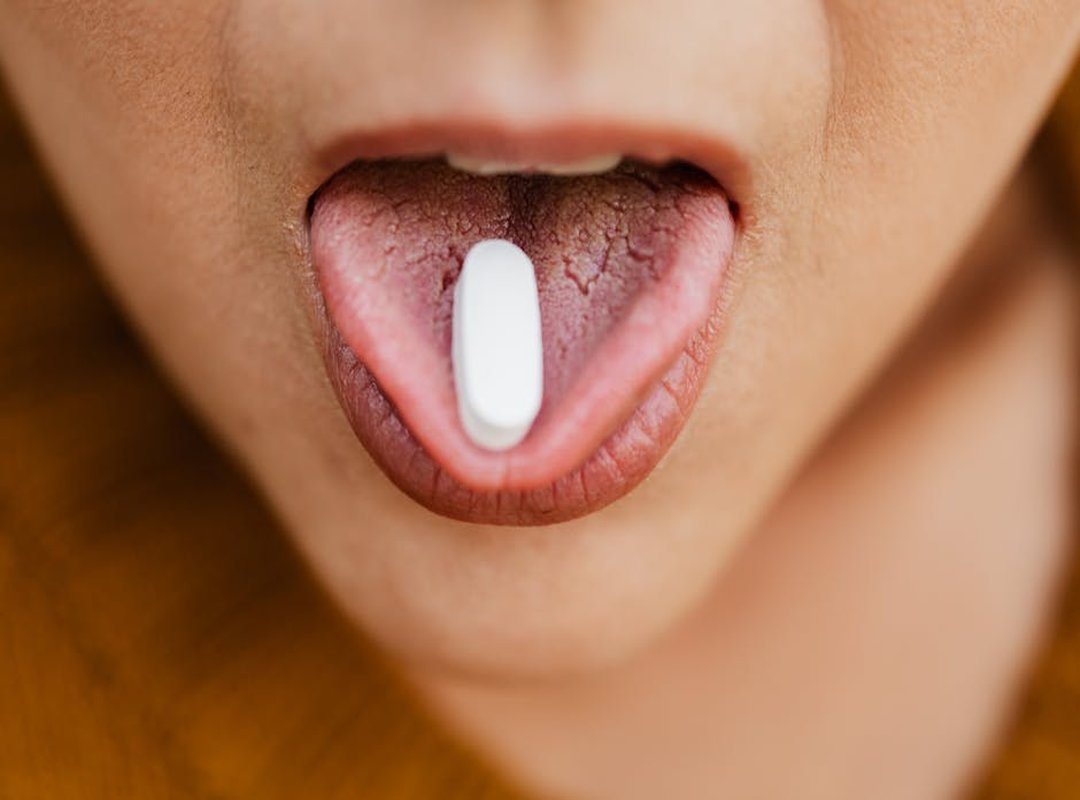
I take Zolfin only when my doctor says so. Not before. Not after.
Not more than once a day unless told.
You’ll get a specific dose. It’s not guesswork. It’s written down (on) the prescription, in the package insert, and by your pharmacist.
Read that insert. Seriously. (Most people toss it.
Don’t.)
Take it with or without food? Either works. But if your stomach protests, try it with a small bite.
Water is fine. Coffee? Skip it for an hour before and after.
(Caffeine can stir things up.)
Common side effects? Mild stomach upset. A little dizziness.
Maybe tiredness. These usually fade in a few days. If they don’t.
Or if you feel worse (stop) and call your doctor.
When do you go straight to help? If you throw up blood. If your skin yellows.
If breathing feels tight. Or if pain hits hard and won’t quit. Those aren’t normal.
They’re red flags.
Pregnant? Don’t take Zolfin Medicine Bangladesh without talking to your OB first. Allergies to sulfa drugs?
Avoid it. Kidney or liver trouble? Ask your doctor.
Dosage may need adjusting.
Mixing Zolfin with other meds? Dangerous. Especially blood thinners, diabetes pills, or NSAIDs like ibuprofen.
Tell every provider you see what you’re on.
Need housing support while managing health? Check out Gtk Zolfin Housing Finance.
Never share your Zolfin. Never double up. Never ignore the label.
Your body isn’t a test lab.
Zolfin Questions You’re Actually Asking
Is Zolfin expensive in Bangladesh?
It depends on the pharmacy. And whether you’re paying out of pocket.
Are there generics? Yes. But not all work the same way.
I’ve seen people switch and feel worse. (Not worth the savings if it backfires.)
You must talk to a doctor first.
Especially here (self-medicating) is common, but Zolfin isn’t for headaches or stress or “just to sleep better.”
It’s not a cure-all. It treats specific conditions. Nothing more.
Nothing less.
Pharmacists know local stock. Doctors know your history. That’s where real advice lives.
Not in Google searches or WhatsApp forwards.
Zolfin Medicine Bangladesh is widely available. But availability doesn’t equal suitability.
Don’t guess. Don’t skip the check-in.
Ask your doctor:
– Is this right for my blood pressure?
– What about my kidney function?
And if you’re looking into housing finance options tied to health stability, Gtk Zolfin Housing Finance Ltd handles those details.
You’ve Got This
I gave you the facts about Zolfin Medicine Bangladesh. No fluff. No guessing.
Just what you need to know.
You were confused. You had questions. That’s normal.
Especially when it’s your health.
This isn’t about memorizing doses or chasing quick fixes. It’s about walking into a pharmacy or clinic with clarity. It’s about knowing when to ask, and who to ask.
So here’s what you do next:
Talk to a doctor or pharmacist in Bangladesh. Today. Not tomorrow.
Not “when I have time.”
They’ll look at you. Not a webpage, not a rumor. Self-diagnosing?
Self-medicating? That ends now.
You wanted control. You got it. Now use it.